
On-site wastewater management solutions
Specialist advice and design for on-site wastewater management systems in unsewered areas
On-site wastewater management
Earthwise Environmental provides independent site assessment, system design and technical reporting for on-site wastewater management systems throughout NSW.
We assist with residential, commercial and non-residential developments, including new systems, upgrades to existing systems and assessment of wastewater constraints during the planning and development process.
Services for on-site wastewater management
Wastewater reports for new developments, system upgrades, and modifications to existing dwellings
Site and soil assessments to determine suitability for on-site wastewater land application
Land capability assessments for rural subdivisions and secondary dwellings
On-site pool backwash wastewater management
Commercial on-site wastewater management design and reporting
Audits of existing on-site sewage management systems
Wastewater management plans
Feasibilities studies for on-site wastewater irrigation
Soil and groundwater monitoring for rural lands irrigated with treated wastewater
What is a wastewater report
An On-site Wastewater Management Report assesses how wastewater generated by a development can be safely treated and managed on the property.
The report generally provides the technical basis for:
selection of an appropriate wastewater treatment system;
calculation of expected wastewater flows;
assessment of site and soil constraints;
selection and sizing of an appropriate effluent land application area;
identification of appropriate environmental and public-health safeguards; and
preparation of a site layout showing the proposed treatment and land application system.
In NSW, local council approval is generally required for the installation and operation of an on-site sewage management system under the Local Government Act 1993 and associated regulations.
The precise assessment and approval requirements vary between councils and depend on the proposed development, wastewater load, site characteristics and existing wastewater infrastructure. The stages of design are outlined here.
When Might a Wastewater Report be Required?
A wastewater report is required in the following cases:
Construction of a new residence or building (domestic or commercial) in a non-sewered area
Modifications and alterations to existing houses or buildings (domestic or commercial).
Rural subdivisions in areas not serviced by a reticulated town sewer system.
Upgrades or alterations to an existing OSMS (e.g. from septic tank to an Aerated Wastewater Treatment System).
Construction of a secondary dwelling or building (domestic or commercial).
Failing trenches or soil absorption systems
Your local council has ordered that a Wastewater Management Assessment be undertaken to recommend a new OSMS.
-
The key components include:
Desktop study - review of proposed plans, soils maps, climate data etc.
A Site and soil assessment to determine options for effluent management.
Wastewater System Design, including treatment and disposal or re-use method and sizing.
Creation of an OSMS site layout map to identify where the effluent will be disposed in relation to buildings, drainage lines, dams, property boundaries etc.
-
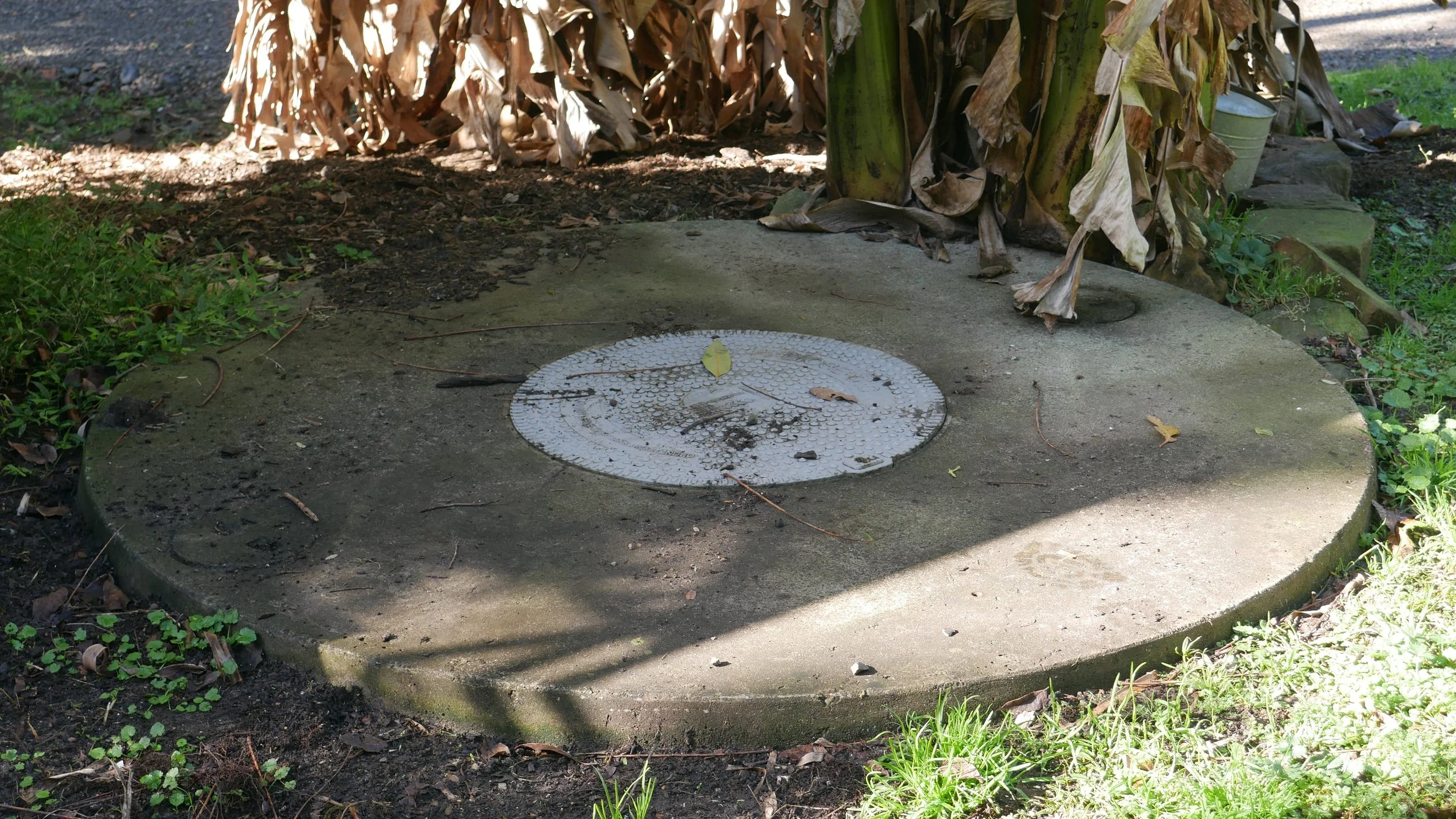
Septic tanks: Septic tanks are a simple and effective way to treat wastewater from homes and businesses that are not connected to a council sewerage system. They work by separating solids from liquid waste, which is then disposed underground and treated by bacteria in the soil.
Aerated Wastewater Treatment Systems (AWTS) : Are a more advanced type of wastewater treatment system that treated the wastewater to a secondary level by using bacteria to break down the organic waste in the presence of oxygen. AWTS’s also include a disinfection chamber before the wastewater is disposed. Disposal options include surface spray irrigation, surface drip irrigation (under mulch), shallow subsurface drip irrigation or absorption trenches and beds
Media Filters: Media filters are a type of wastewater treatment system that uses a bed of filter media to remove suspended solids, turbidity, and other pollutants from wastewater. The filter media is typically made of sand, gravel, or other inert materials, and it is designed to trap and remove particles that are larger than a certain size. Media filters are often used as a final polishing step in wastewater treatment systems, after primary and secondary treatment processes have already removed most of the pollutants. They can also be used as a standalone treatment system for small-scale applications.
Greywater systems: Greywater systems are designed to treat wastewater from sinks, bathtubs, showers, dishwashers, and clothes washers. This type of system can help to reduce the amount of wastewater that goes to a septic tank or treatment plant, and if disinfected can also be used to irrigate gardens and landscaping.
Compost toilets: Composting toilets are a type of dry toilet that does not require water. They work by breaking down human waste into compost, which can then be used to fertilize gardens.
Worm treatment systems: Worm farms are a type of bio-digester that uses worms to break down human sewage into a nutrient-rich liquid fertilizer. The worms break down the organic matter in the sewage, with their waste products being valuable source of nutrients for plants. Worms are sensitive to harmful chemicals and detergents, so it is important to be careful about what goes down the sink or toilet so they don’t die. Moreover if there is not a continual supply of organic matter, the worms can also die off. As the nutrient rich wastewater is not disinfected it must be disposed of below the ground. This means that the beneficial nutrients in the water are often not available if the water is disposed below the root zone.
-
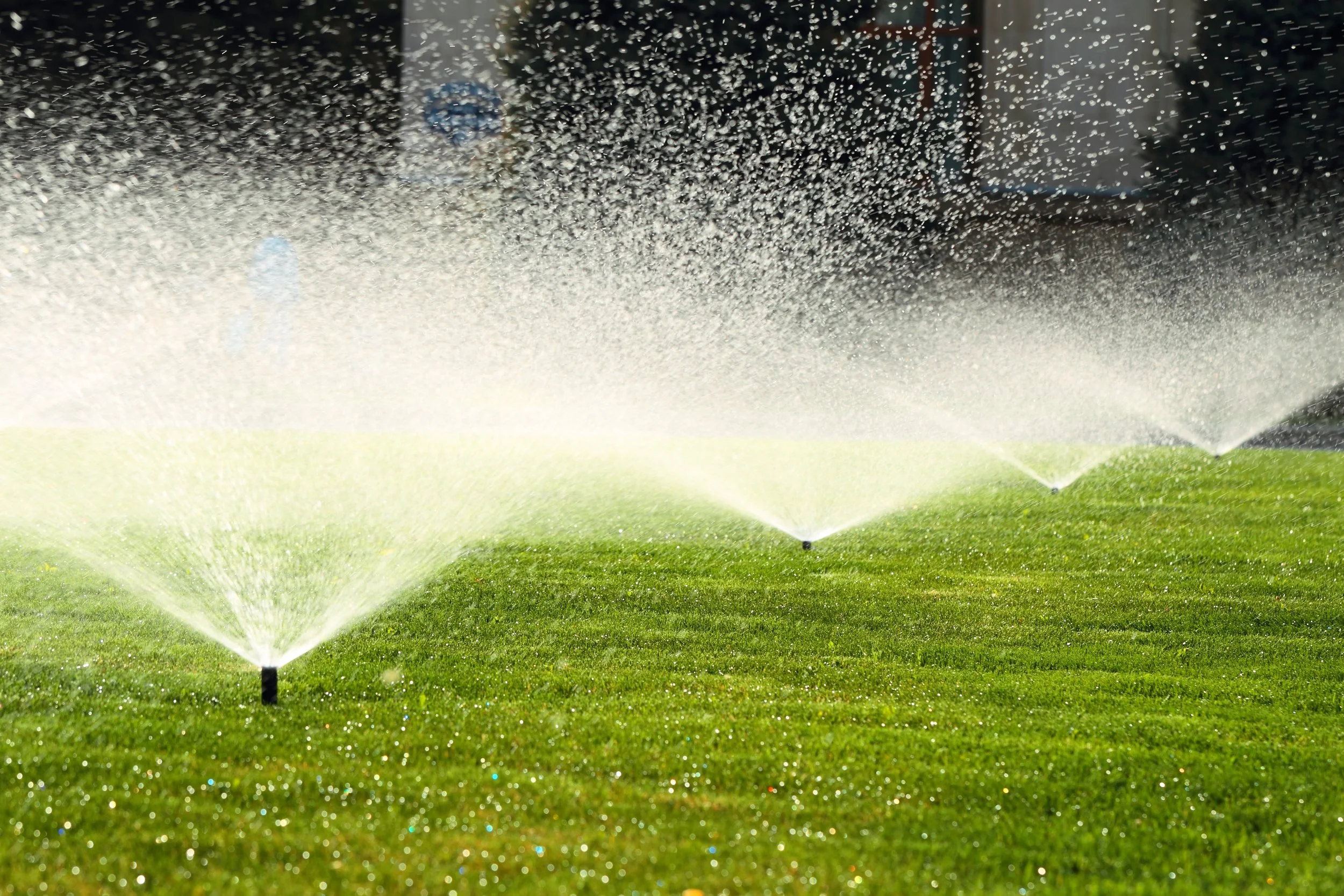
Surface spray irrigation: This method involves irrigating treated and disinfected wastewater onto the ground surface. It is the most economical and easiest to install.
Shallow subsurface irrigation: This method involves placing drip lines just below the soil surface. This method is prone to blocking if the lines are not regularly flushed and a filter is not installed or cleaned often. It can be more efficient than surface spray irrigation and can help to prevent runoff. It is more expensive to install and requires continued maintenance.
Surface drip irrigation: This method involves placing drip lines on the ground surface and covering them with mulch. This method is best suited to well managed landscaped gardens and requires continued maintenance (flushing) to ensure the drippers do become blocked.
Trenches: Trenches are the simplest type of soil absorption system. They are typically dug in the ground and lined with an arch trench or perforated PVC pipe. The treated wastewater is then pumped or gravity-fed into the trench, where it is slowly absorbed by the soil. Trenches require no maintenance however can be expensive due to the material, machinery and installation costs. They can become blocked by tree roots or when the septic tank is not regularly de-sludged.
Evapotranspiration beds: Evapotranspiration beds are a type of soil absorption system that uses plants to help evaporate the treated wastewater. The beds are typically filled with gravel or sand, and they are planted with a variety of plants that are tolerant of wastewater. The plants help to evaporate the wastewater, and the soil helps to filter out the solids. Evapotranspiration beds are a relatively efficient option, but they can be more expensive than other types of soil absorption systems.
Raised absorption beds: Raised absorption beds are similar to evapotranspiration beds, but they are raised above the ground surface. This helps to prevent the wastewater from coming into the underlying bedrock, shallow groundwater or during flood events.
Conventional absorption beds: Conventional absorption beds are the most common type of soil absorption system. They can be up to 4 metres wide and 20 m long. The primary or secondary treated wastewater is either pumped or gravity-fed into the beds, where it is slowly absorbed by the soil.